Evidence card
Strength training and regular movement help older adults stay strong
By the editorial team · 26 November 2026
A recent consensus paper calls progressive resistance training indispensable for maintaining or improving function in older adults [1]. A recent review of trials also linked aerobic and resistance exercise to lower frailty risk [2].
- Progressive resistance training is called indispensable for keeping or improving function in older adults, especially those with frailty, muscle loss or osteoporosis [1].
- Current guidelines recommend a mix of aerobic, resistance, balance and flexibility training [1].
- Many declines may be more likely due to inactivity than to unavoidable aging [1].
- You can still exercise with most health conditions, and your doctor can help you plan around yours [3].
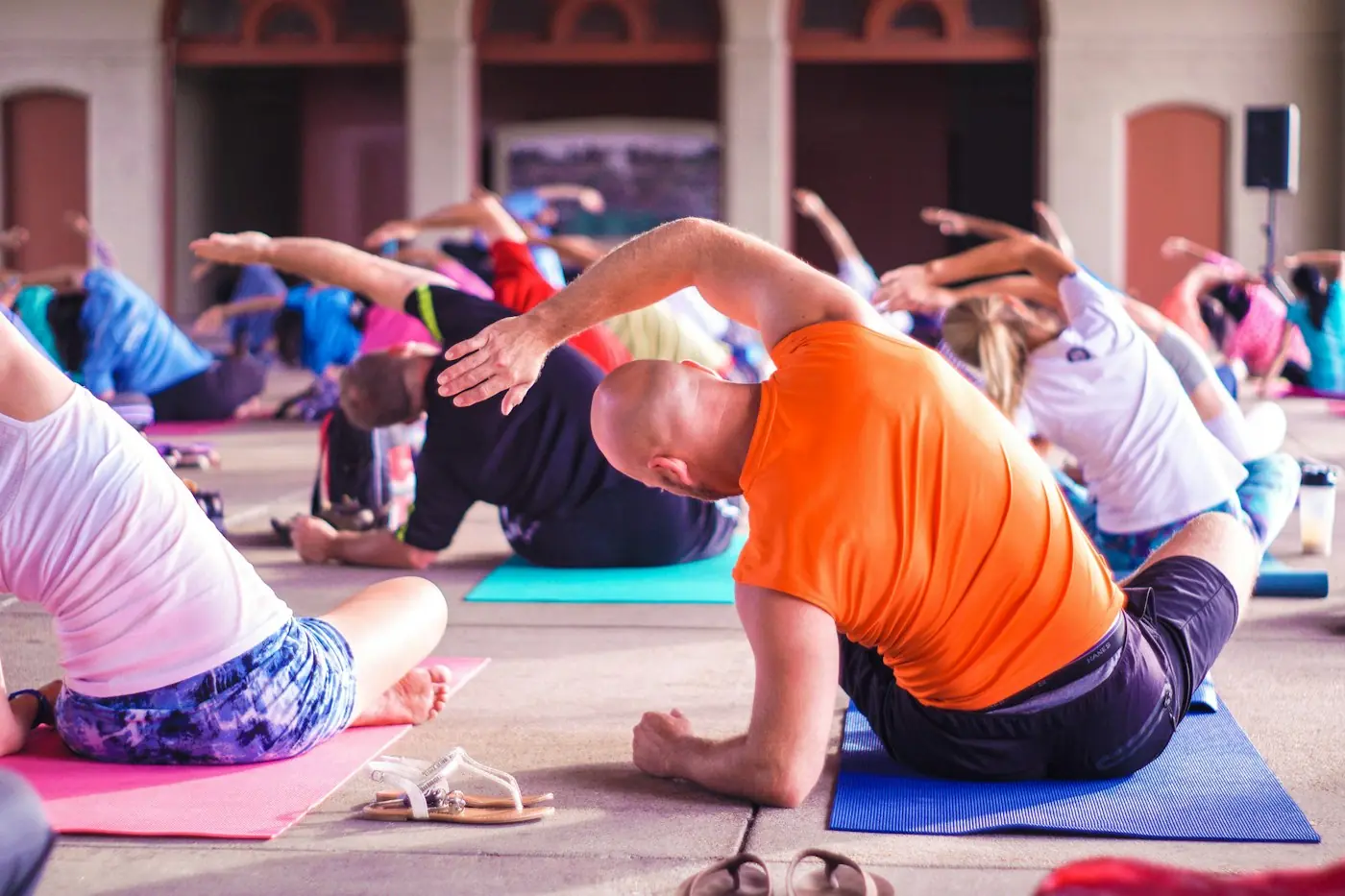
Progressive resistance training is the habit reviews single out for strength
If you want one habit to prioritize, make it strength exercise. A recent consensus paper calls progressive resistance training indispensable for maintaining or improving function in older adults [1]. It names people with frailty, sarcopenia (loss of muscle mass with age) or osteoporosis (weak, thin bones) as those who need it most [1].
Research also suggests many declines are more likely due to inactivity than to unavoidable biological aging [1].
Eating enough protein, including from plant sources, is described as helping maintain muscle mass and prevent age-related muscle loss [2].
The National Institute on Aging says older adults can use all three types of exercise
The National Institute on Aging publishes guidance on three types of exercise. It says older adults can include all three as part of physical activity guidelines [3]. The consensus paper spells out a broader mix: aerobic, resistance, balance and flexibility training, done through both planned workouts and everyday activity [1].
| Kind | What the sources say |
|---|---|
| Resistance (strength) | Indispensable for function, especially with frailty, muscle loss or osteoporosis [1] |
| Aerobic plus resistance | Improved cardiovascular fitness and was linked to lower frailty risk in a review of 35 trials [2] |
| Balance | Part of the recommended mix, and multicomponent programs were tied to preventing falls [1] |
| Flexibility | Part of the recommended mix [1] |
| Light activity | Reduces sitting time, which is increasingly seen as a health risk [2] |
Programs that add thinking tasks to exercise improved signs of frailty such as strength, mobility and energy, along with cognitive function [1].
Physical activity guidelines suggest 150 to 300 active minutes a week
Guidelines generally suggest 150 to 300 minutes per week of moderate-to-vigorous activity [1]. People who fall short are described as having insufficient physical activity [1].
Sitting matters too. A sedentary lifestyle combines low levels of moderate-to-vigorous activity with long stretches of sitting, such as reading, computer use or watching television [1]. Even light activity can greatly benefit older adults because it reduces sitting time [2].
- Planned exercise is any structured, repeated activity meant to improve strength, balance, endurance or flexibility [1].
- Physical activity is broader. It is any movement from your muscles that uses energy [1].
- Both can be built into daily life, and the consensus paper counts everyday activity alongside structured sessions [1].
Chronic health conditions may change how your doctor advises you to exercise
You can still exercise with most health conditions and benefit from it [3]. Call your doctor to talk about how your condition might affect your ability to be active [3].
The consensus paper agrees that exercise plans should fit specific medical conditions, because the right amount varies between people [1].
If you think you may have a medical emergency in the United States, call 911 or go to the nearest emergency room.
A review of 35 trials found that combining healthy habits gives the broadest benefit
The review covered 35 randomized trials in people age 50 and older [2]. It concluded the broadest benefits against age-related decline come from combining balanced diets, regular exercise, mental engagement, strong social ties and preventive health care [2].
The science is still developing. Researchers say precise exercise prescriptions remain an area for further study, and exercise is not yet fully part of medical practice for older people [1].
Sources for this card
- Global consensus on optimal exercise recommendations for enhancing healthy longevity in older adults (ICFSR)The journal of nutrition, health & aging
- Evidence-Based Pathways to Healthy Aging: A Systematic Review and Meta-analysis of Lifestyle Interventions for Longevity and Well-BeingInvestigacion y educacion en enfermeria
- Exercise and physical activitynia.nih.gov
Tabs show one part at a time. Every part stays in the page for readers who print it.